
The 2 A.M. Question About Ejaculation and Prostate Cancer Prevention
At 2:17 a.m., Marcus slid into the chair across from my desk and asked the question that had been chewing at him for weeks. He was fifty-two, a night-shift bus driver with a father who had died of prostate cancer at sixty-eight. He had read a headline about prostate cancer prevention ejaculation and wanted a straight answer: should he be having more sex?I have learned to respect the question and distrust the headline. The best observational studies do suggest that men who ejaculate more often, roughly twenty-one times a month or more in some cohorts。tend to have lower prostate cancer risk. That is a pattern, not a prescription. Marcus nodded slowly, the way people do when they want a number and get a weather report instead.
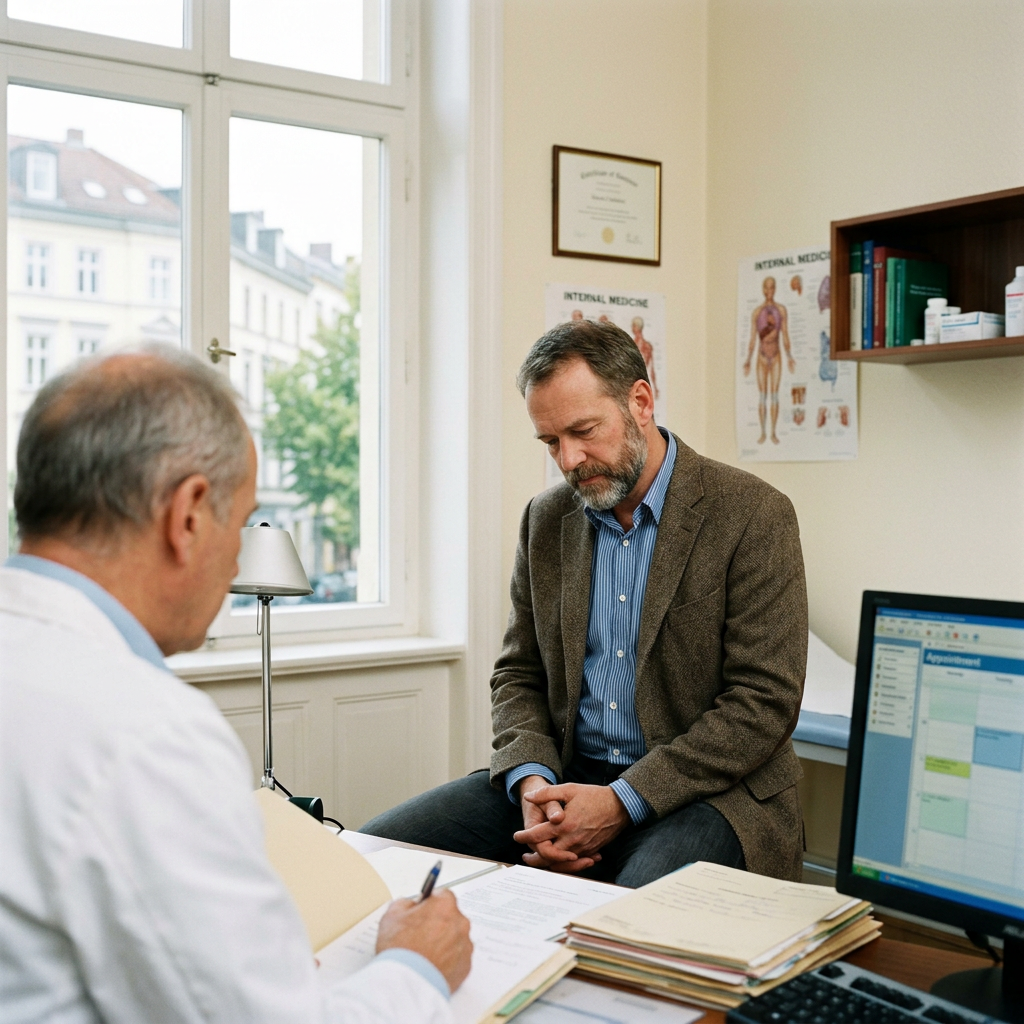
I told him about the Australian case-control work from 2003 and the U.S. follow-up data that kept showing the same direction: higher ejaculation frequency, lower prostate cancer incidence. The prostate cancer prevention ejaculation conversation usually stops there。with a wink and a bad joke. The studies do not. They adjust for age, diet, smoking, and family history, and still leave a fog of uncertainty. Men who ejaculate frequently may differ in ways no questionnaire captures—healthier relationships, less prostate inflammation, different hormone profiles, or simply more vigorous overall health. A urologist friend calls this the clean-pipe hypothesis, then adds that pipes are not prostates. I watched Marcus write clean pipe on his hand with a ballpoint pen.Here is where the story gets human. Marcus went home and told his wife, Denise, that his doctor had prescribed sex. She laughed, then got quiet. Their intimacy had been running on fumes for a year, squeezed by his shifts and her mother's illness. The last thing either of them needed was a performance target dressed up as medicine. I have seen this before: a risk-reduction idea becomes a chore。and the chore becomes another reason to avoid the bedroom. Ejaculation frequency is not a lab value you can bully into a better range. The prostate cancer prevention ejaculation link is interesting because it points toward regular sexual activity as part of a broader healthy pattern, not because it gives men a nightly assignment.Marcus asked about masturbation, about sex after sixty, about whether vasectomy mattered. We talked through the real confounders: benign prostatic enlargement, prostatitis, sexually transmitted infections, depression, relationship strain, and the fact that early prostate cancer often has no symptoms at all. Screening is a separate and messier conversation。with PSA tests that can trigger biopsies and anxiety. I told him that no one should use prostate cancer prevention ejaculation as a reason to ignore a rising PSA, urinary changes, or a family history like his. He sat back and said, So the headline is half a sentence. I said, Most headlines are. Then he asked the better question: what actually moves the needle?

We built a boring plan. He walked before his shift, cut back on late-night energy drinks, booked a proper screening conversation。and stopped treating sex like a monthly quota. Six months later he told me the bedroom felt less like a clinic and more like a bedroom. His PSA was stable. That is one man's story, not proof. My reading of the evidence is this: prostate cancer prevention ejaculation research is a useful nudge toward discussing sexual function openly, not a magic lever. If frequent ejaculation helps, it probably helps the way sleep and walking help—by being part of a life that is less inflamed, less stressed, and more connected. Marcus still jokes that he is doing his homework. Denise rolls her eyes. The prostate cancer prevention ejaculation question stays open, which is exactly where honest medicine lives.

Find the information you need.
For product availability, ordering and support, use the channels below. For medical concerns, contact a qualified healthcare professional.
Health information on this site is for general education and is not a substitute for medical advice. If you believe any content infringes your rights, please contact the site operator.